
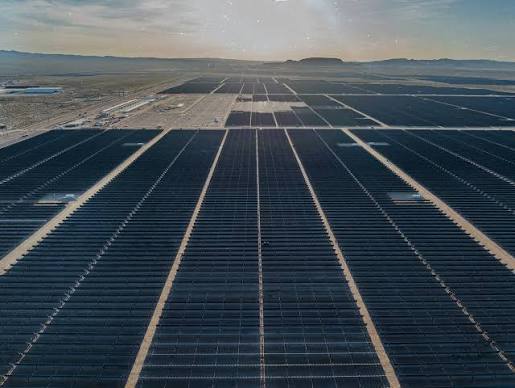
1. Solar Photovoltaic Power Generation
Kaputei Solar Farm is being developed to harness Kenya’s abundant sunlight and convert it into clean, reliable electricity through a utility-scale solar photovoltaic system. The project is planned around a 60MW solar power plant designed to contribute to electricity supply while supporting the transition toward lower-carbon energy. The service encompasses solar resource assessment, PV system planning, equipment selection, plant layout, installation, testing and performance monitoring. The project’s final configuration will be established through detailed engineering, feasibility studies and applicable regulatory approvals.
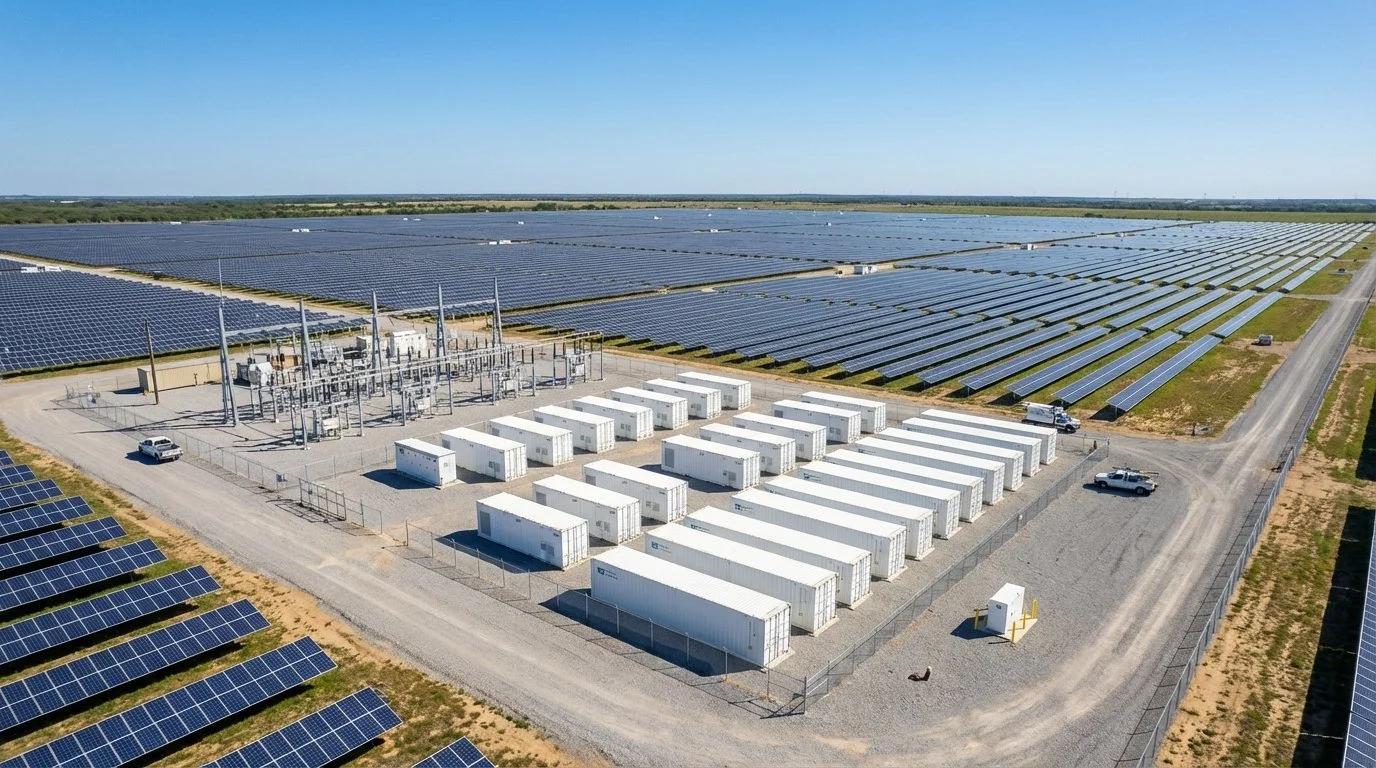
2. Battery Energy Storage Solutions
The project incorporates a proposed 20MW/80MWh battery energy storage system, designed around four hours of nominal storage duration. The system is intended to improve the flexibility and usability of solar-generated electricity by storing energy when available and releasing it when required, subject to the final operating strategy and grid requirements. Battery storage can help manage variations in solar generation, support power dispatch planning and improve the integration of renewable energy into the electricity network. The final technology, operating configuration and performance requirements will be confirmed during engineering and procurement.
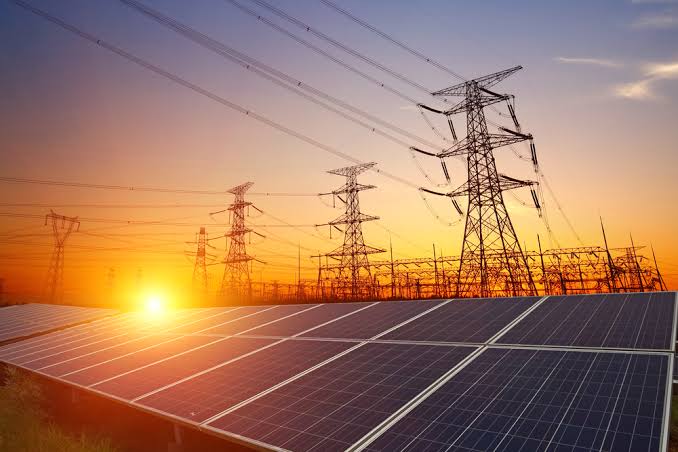
3. Grid Connection and Electrical Infrastructure
Efficient electricity delivery depends on a properly engineered connection between the solar farm, energy storage facilities and the national grid. Kaputei Solar Farm’s electrical infrastructure is expected to include power conversion equipment, transformers, protection systems, switchgear, metering and associated grid connection facilities. The project’s grid integration work will focus on technical compatibility, system protection, power quality, operational safety and compliance with applicable grid codes. Detailed grid studies and coordination with the relevant electricity sector stakeholders will determine the final interconnection design.

4. Engineering, Procurement and Construction Coordination
Phikes Chrome Company Limited builds on its background in electrical installations as it advances the development of Kaputei Solar Farm. The project requires coordinated engineering, equipment procurement, construction planning, installation supervision, testing and commissioning to bring the proposed facility to operational readiness. This service covers technical coordination, quality assurance, contractor interface management, construction scheduling and verification that installed systems meet approved specifications. The objective is to support safe, efficient project delivery, with appropriate attention to cost control, equipment reliability and long-term plant performance.
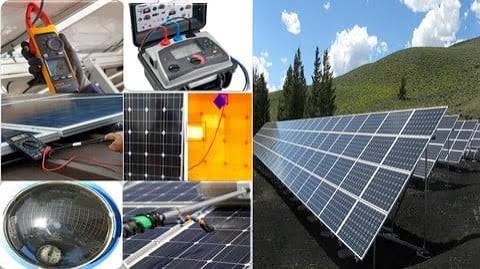
5. Plant Monitoring, Operations and Maintenance
Long-term performance is essential to the success of a utility-scale renewable energy project. Kaputei Solar Farm’s operational planning is intended to incorporate monitoring systems and maintenance procedures that help track generation, identify faults and maintain the performance of solar and storage assets. Planned operational capabilities may include supervisory control and data acquisition (SCADA), equipment condition monitoring, preventive and corrective maintenance, performance reporting, battery management and safety inspections. These measures are intended to reduce avoidable downtime, support asset reliability and help maintain the plant throughout its operating life.

6. Environmental Sustainability and Community Development
Kaputei Solar Farm aims to contribute to the sustainable development of Kaputei and the wider Kajiado County region through investment in renewable energy infrastructure. Beyond electricity generation, the project presents opportunities to support local participation, skills development and responsible engagement with surrounding communities. Environmental and social planning will focus on compliance with applicable requirements, responsible land management, erosion and drainage control, waste management, occupational health and safety, and meaningful stakeholder engagement. Where feasible, the project can also create opportunities for local suppliers, service providers and workers during construction and operation.